Romania isn’t on everyone’s bucket list, and honestly, I don’t know why. Before heading to the Middle East this summer, I decided to spend three days in Dracula’s land—and I was blown away. This country is full of hidden (and not-so-hidden) gems—magical castles, historic churches, and breathtaking landscapes just waiting to be explored. If you’re wondering how to experience the best of Romania in 3 days, this itinerary will guide you through all the must-see sights and unforgettable experiences.
If you’re wondering how to experience the best of Romania in 3 days, this itinerary covers it all—from iconic landmarks to unforgettable drives. It’s beautiful, rich in history, and absolutely worth a visit.
Disclaimer: Some of the links above are affiliate links. That means if you book or make a purchase through the links, I will earn a small commission at no extra cost to you! The money will help run this site. Thank you!
Pin it for future reference!
Jump to Section ✨
Quick Travel Tips for Romania
- Visa Requirement: No visa is needed for Canadian or American travelers staying under 90 days.
- Best Time to Visit: Summer and early fall (June to September) are ideal, especially for scenic road trips like the Transfagarasan.
- Currency: Romanian Leu (RON) – Credit cards are widely accepted, but carry cash for small purchases.
- Language: Romanian, but English is commonly spoken in tourist areas.
- Transportation: Drive for flexibility; trains/buses good but less scenic
How to Get to Romania & Transportation Options
Flying:
Major airports include:
- Bucharest (OTP)
- Cluj-Napoca (CLJ)
- Timisoara (TSR)
Connected by low-cost airlines like WizzAir, RyanAir, and full-service ones like Lufthansa, KLM, and Tarom.
Train Travel:
Cost-effective for intercity travel, but you may miss rural attractions.
Car Rental:
Renting a car (we did from Budapest) offers flexibility to explore highlights like Transfagarasan Highway, castles, and mountain towns. Ideal for a 3-day Romania itinerary.
Our goal before reaching Bucharest was to see the following famous highlights:
Must-See Attractions in Romania
Hunyadi Castle (Corvin Castle)
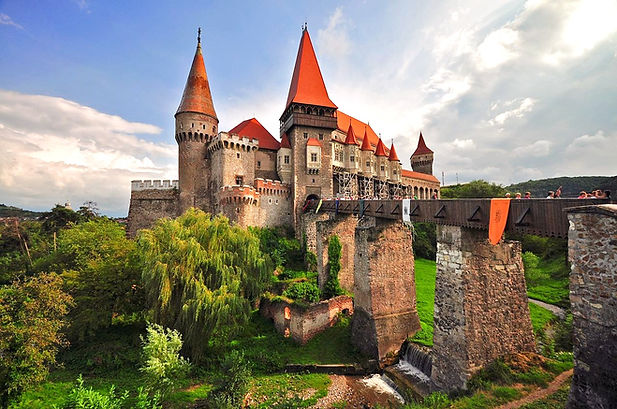
Location: Hunedoara, 2.5 hours from the Hungarian border
Ticket Price: ~9 Euros per adult
One of the most stunning castles in Romania, Hunyadi Castle (also known as Corvin Castle) is one of Europe’s largest medieval castles. Originally built in 1440 as a fortress against the Ottomans, it features impressive Gothic architecture, a wooden bridge entrance, and various chambers to explore.
The Knights Hall
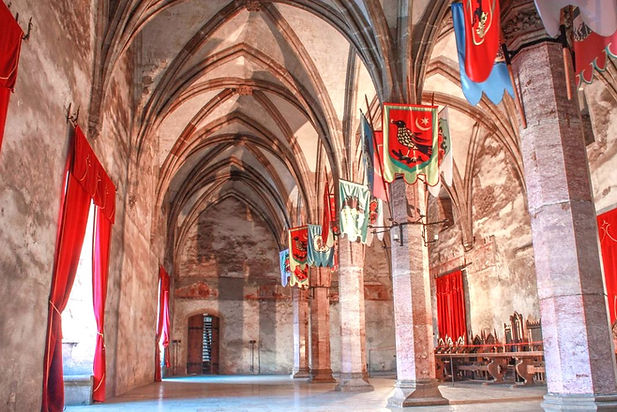
While exploring Hunyadi Castle (Corvin Castle), one of the standout features to experience is the Knights Hall, which is located on the western side of the castle’s ground floor. Dating back to the 15th century, this hall holds historical significance as both a dining room for festive occasions and a council and judgment room for noblemen. Its dual purpose and medieval charm make it an essential stop for anyone delving deeper into the castle’s fascinating history.
Bran Dracula Castle
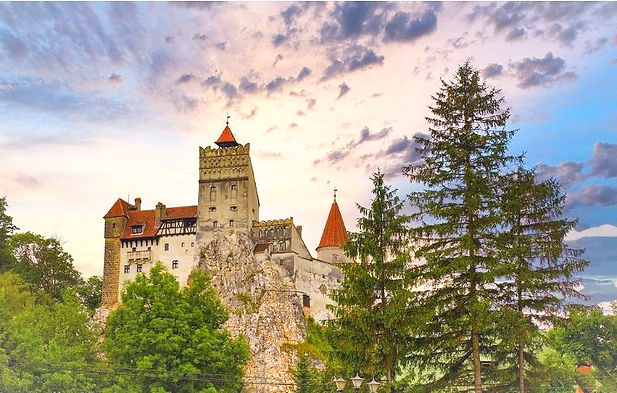
Location: Bran, 3-hour drive from Hunyadi Castle
Ticket Price: ~8.5 Euros per adult
After 3 hours of driving, we reached Bran Castle, famously linked to Count Dracula, the fictional vampire from Bram Stoker’s 1897 novel Dracula. Built in the 14th century as a fortress, the castle’s Gothic architecture and cliffside location make it a must-see. Although Dracula is a fictional character, the castle’s rich history as a royal residence and stunning views of the Carpathian Mountains draw thousands of visitors each year.
Once we left, we decided to spend the night in Sighisoara and leave early morning towards the Transfagarasan road that crosses the mountains to Wallachia. We stayed in Pensiunea Gasthaus Alte Post, which is an adorable, historic guesthouse with cozy accommodations, cute plants draping everywhere, traditional cuisine, and convenient car parking.
For more options, you can check out the maps nearby accommodations:
Transfagarasan Road – The Best Drive in the World
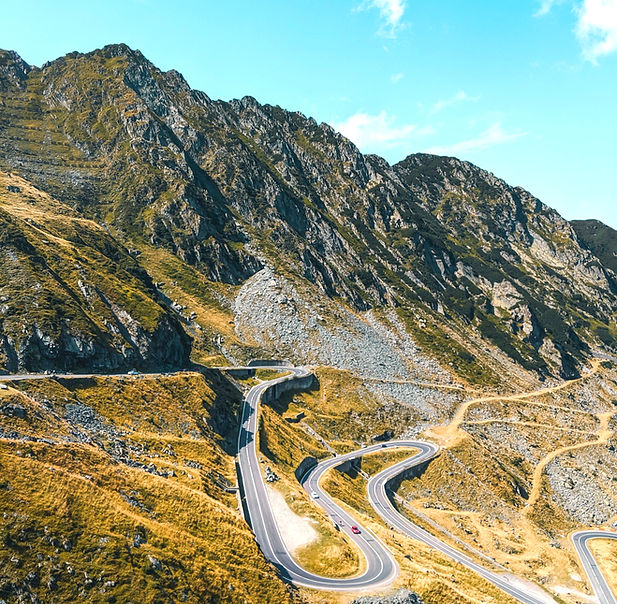
Location: Connecting Transylvania to Muntenia
Altitude: 2,042 meters
Named “The Best Road in the World”, this winding road features hairpin turns, steep cliffs, and breathtaking views, and is the second-highest mountain pass in Romania that you cross by car
Interesting Fact:
The Transfagarasan Road was built in the early 1970s during the presidency of Nicolae Ceaușescu, in response to the 1968 Soviet invasion of Czechoslovakia. Ceaușescu wanted a fast military route across the mountains in case of an unexpected invasion from the Soviet Union. Due to its high altitude, the road is only open for about 3-4 months each year, making August the perfect time to drive it. The road is a thrilling journey with winding hairpin turns, long S-curves, and sharp descents, and it remains one of Romania’s top attractions.
Highlights Along the Route:
- Balea Lake: We picked the more exciting route, from the North, since its more dramatic and special, entering the road at Cârțișoara and did a quick stop at Balea Lac for a quick lunch where we could pick from all the local goodies prepared just in front of us.
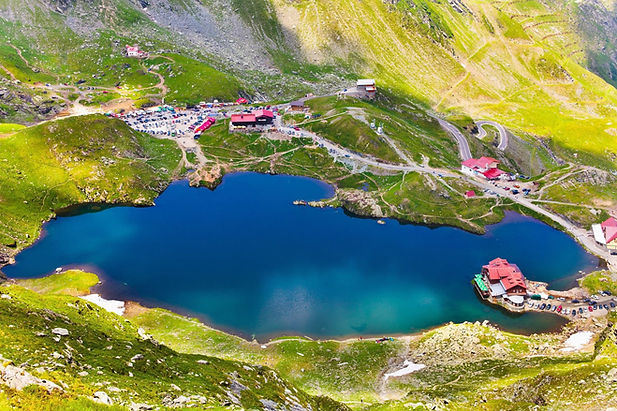
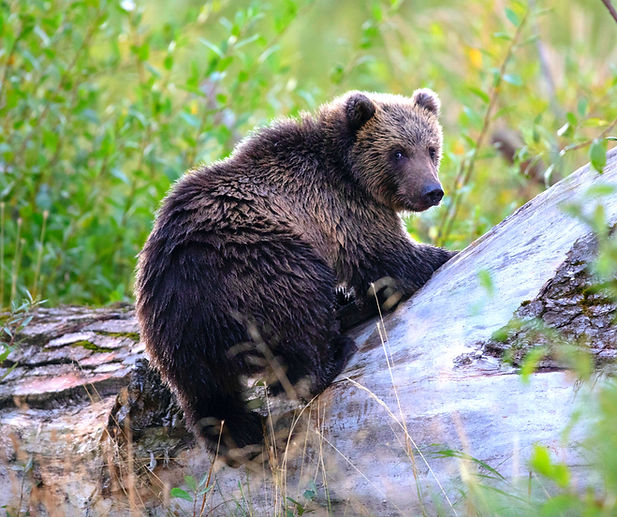
- Bear Sightings: From Balea Lac, the descent starts and you get the most breathtaking views. Not to mention, we were “greeted” along the way by bears.
Curtea de Arges Monastery
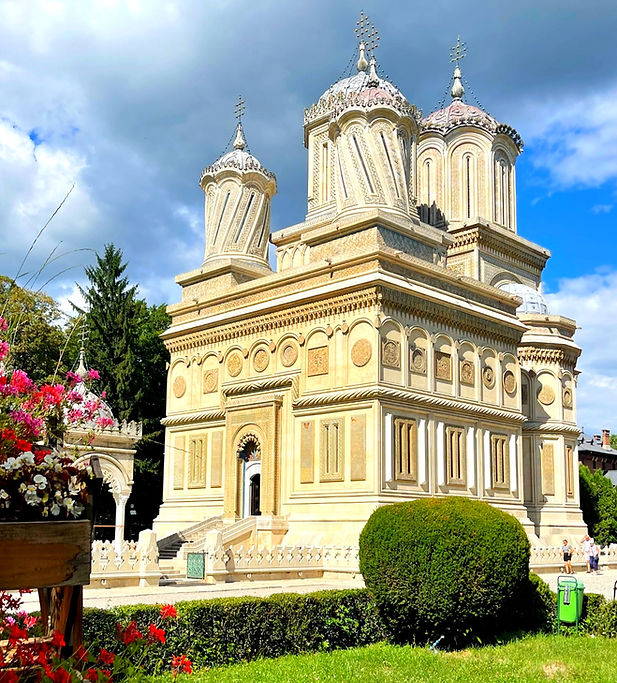
Location: At the base of the Transfagarasan Road
This stunning monastery is the resting place of Romanian kings.
Legend of the Monastery:
The architect, Manole, was ordered to build a magnificent structure. When the walls kept collapsing, the king threatened him with death unless he succeeded. Following an ancient custom, he sacrificed his pregnant wife by embedding her into the foundations. The monastery was completed, but Manole and his masons were left stranded on the roof, leading to their tragic death.
Bucharest – Romania’s Vibrant Capital
Hotel Stay
We picked a hotel, Mercure City Center, located perfectly, close to all attractions, close the old city center. But if you prefer a different hotel, feel free to use the search box below.
How to get around Bucharest
Best option for me was Lime scooters. They are fast, fun, and affordable (around $0.70 to start and $0.13 per minute). You’ll feel wild and free as you breathe in the European air and zoom towards your next destination at a moderate speed. Other options include Uber or public transportation.
Places Worth The Visit
- Old City Center
- Romanian Atheneum
- Palace of Parliament
- CEC Old Building
- Stravropoleos Monastery
- Hanul lui Manuc
- Carul cu Bere
And many more. With only two days, we had to pick the highlights.
Must-Visit Attractions in Bucharest
1. Old City Center
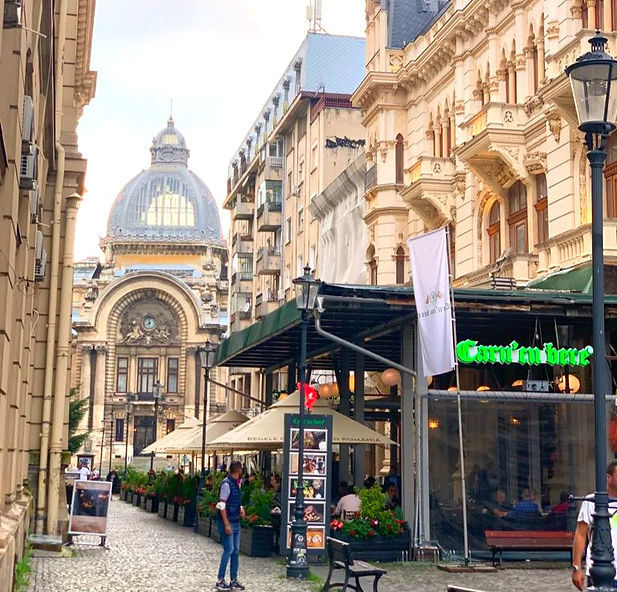
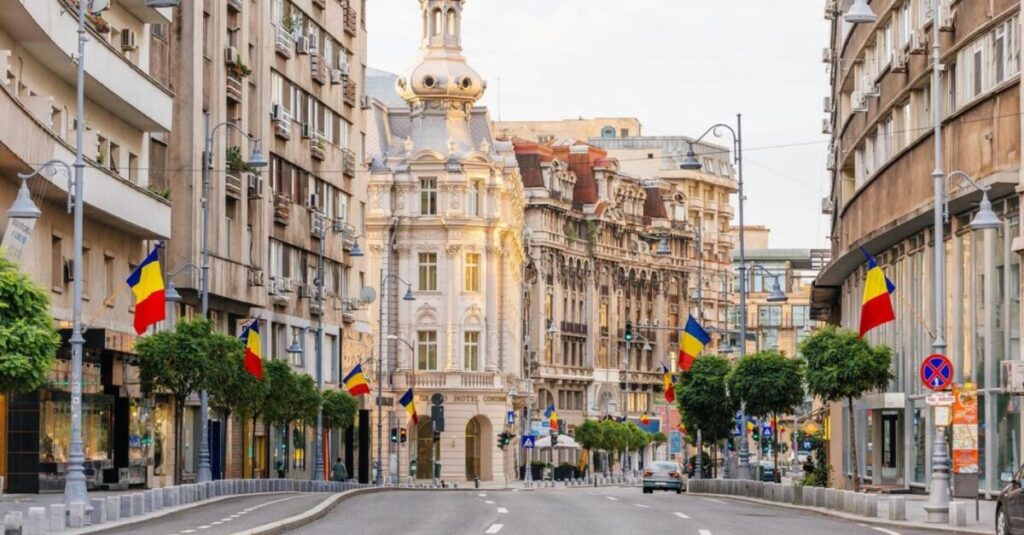
The Old Town is filled with cozy restaurants, bars, and historic streets. The small streets from Old Town were once the main commercial streets of the city. Their names are in fact, the legacy of the past when people brought products from all the over of the world and sold their products to the elites of the capital.
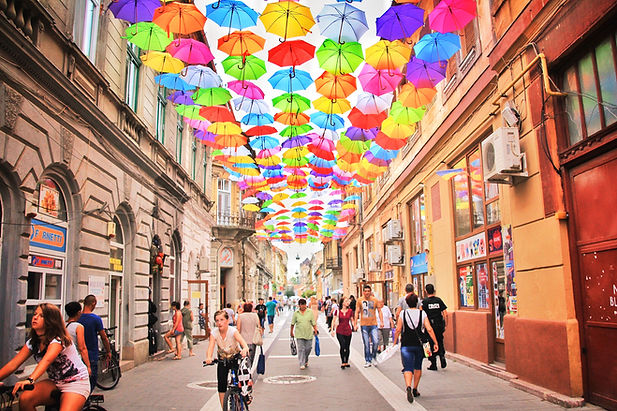
One of the most Instagram-worthy spots in Old Town is the Umbrella Alley, a colorful walkway covered in floating umbrellas that create a dreamy atmosphere. Whether you’re stopping for a coffee or just strolling through, it’s a must-see for anyone exploring the city.
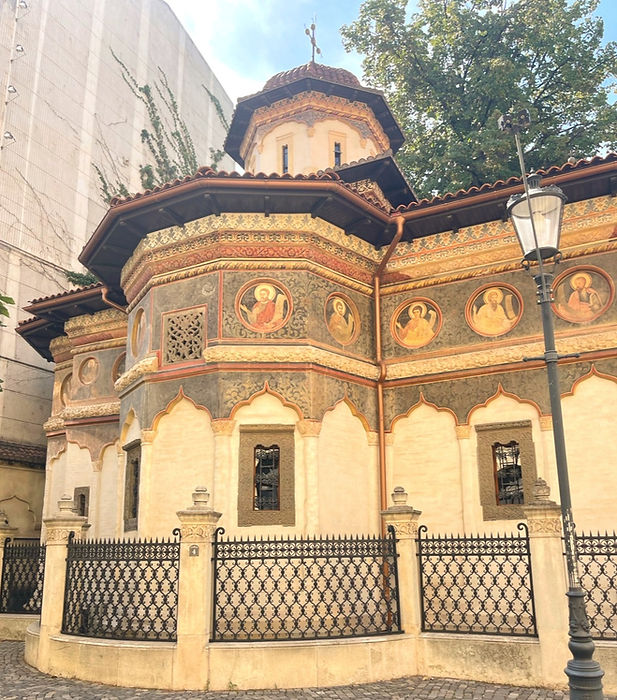
Here you will also find the famous Stravropoleos Monastry that survived the bulldozing of old buildings ordered by their former dictator, Ceausescu. In the old town, you will find 2 places that you don’t want to miss if you are fan of trying Romanian food, beer, folk music and their national dancing.
More Places to Visit in Old Town
- Russian Orthodox Church (Biserica Rusă) – A beautiful 20th-century church with stunning golden domes and intricate frescoes, offering a glimpse into Bucharest’s diverse religious history.
- Cărturești Carusel Library – A breathtaking bookstore with elegant white spiral staircases and soft natural lighting, often called one of the most beautiful bookstores in the world.
Top 2 Places for Food & Drinks in Bucharest
- Hanul lui Manuc in translation, Manuc Inn, is the oldest operating hotel building in Bucharest. Inside you will find a traditional restaurant with amazing Romanian dishes and folk music. At one point the dancers came and start picking people for group dancing forming a huge “hora”. I skipped it, staying faithful to my Latin dancing style ☺
- Carul cu Bere: An old-style beer house serving local brews and traditional Romanian music.
2. Romanian Atheneum
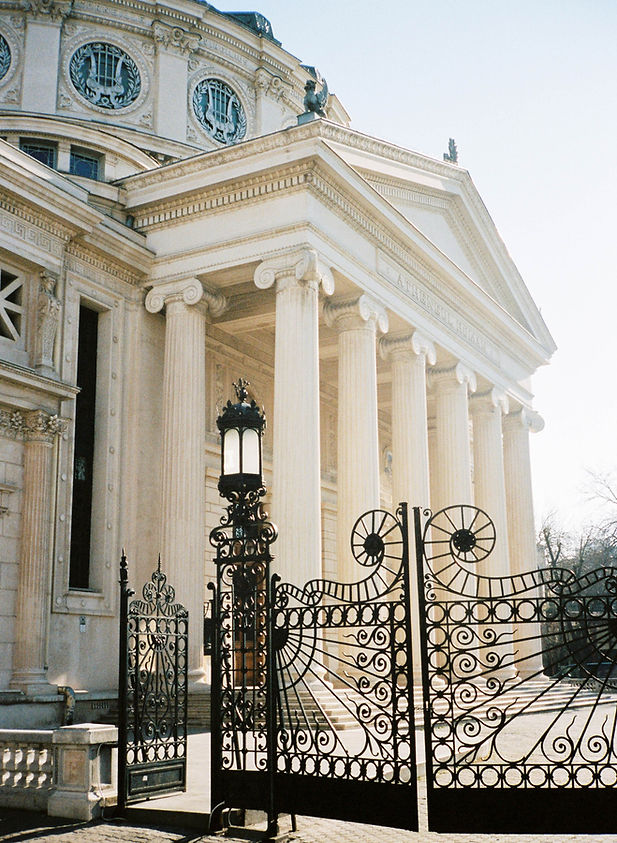
Built in 1888, this concert hall and cultural centre features neoclassical architecture and is home to the George Enescu Philharmonic Orchestra. Visitors can attend performances or take a tour to learn about its history and design. It is an important cultural site in Romania, offering insight into the country’s musical heritage.
3. Palace of the Parliament
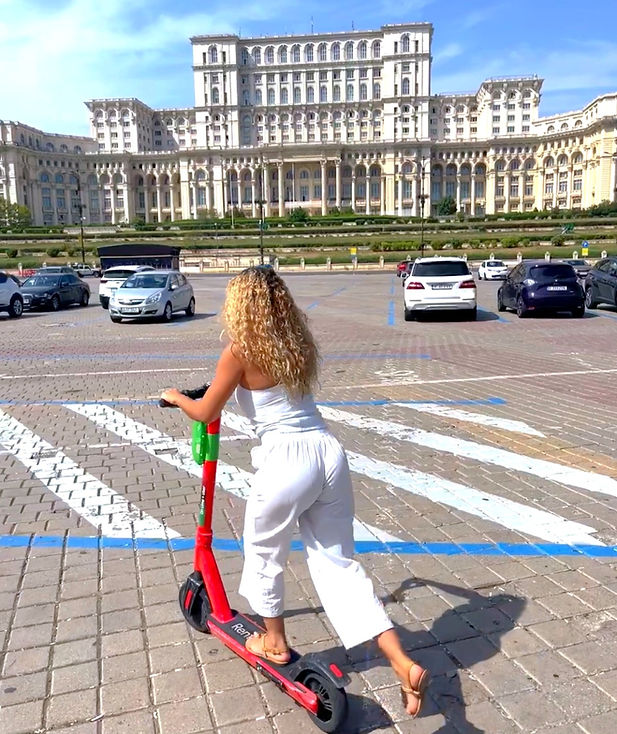
The Palace of the Parliament is the seat of the Parliament of Romania. It is impressive, being the heaviest building in the world and second largest after Pentagon in Virginia. During Nicolae Ceausescu’s regime, this building is a symbol of the old communist times. Due to its solid wood furniture, crystal chandeliers, impressive dimensions, and huge marble columns, this palace is one of the most visited tourist destinations in Bucharest.
Highlight of My Trip in Bucharest
Unirii Square Bucharest at Night
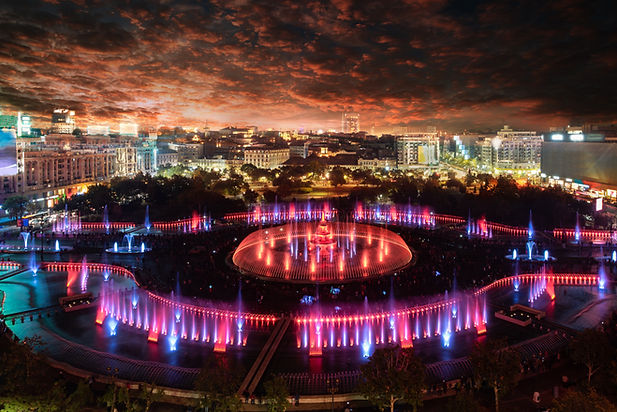
One of my most magical experiences was riding a scooter through Unirii Square at night. The illuminated fountains, golden-lit Parliament, and warm summer air made for an unforgettable experience. I highly recommend you visit at night when the lights and fountains are on.
After days of exploring castles and historic landmarks, a visit to Therme București was the perfect way to unwind. With thermal pools, saunas, and tropical gardens, it’s a popular spot to relax and recharge in Bucharest. If you’re planning a trip, it’s definitely worth adding to your itinerary.
Best Romanian Food & Desserts
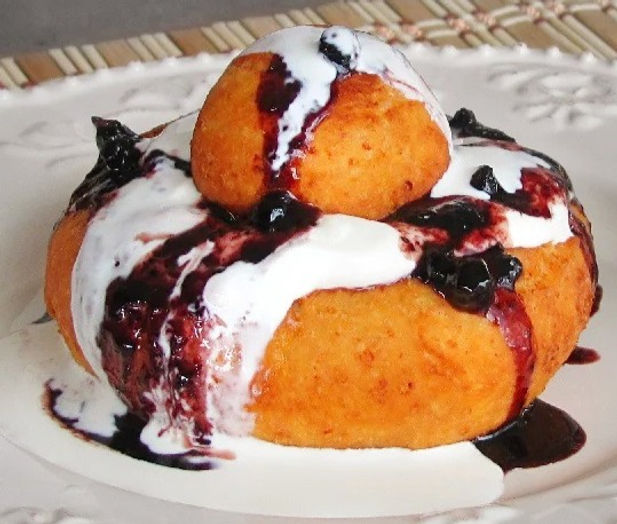
I couldn’t finish this blog without a special mention of Romanian food. Cabbage rolls with yogurt on top are a must-try, but the real standout is papanasi. I’m drooling just thinking about it—traditional Romanian fried doughnuts made with cottage cheese, topped with smetana (similar to sour cream) and sweet jam. It seems this delicacy is well-known, as we overheard an Italian tour guide talking about it with the same enthusiasm as he would a famous monument.
Other popular Romanian foods include:
- Sarmale: Cabbage rolls stuffed with minced pork, rice, and spices, typically served with sour cream.
- Mamaliga: A cornmeal dish similar to polenta, often served with cheese, sour cream, or meats.
- Mititei: Grilled sausages made with a mix of beef, pork, and spices, usually served with mustard and bread.
- Ciorba de burta: A hearty tripe soup made with vinegar, garlic, and sour cream.
- Salata de boeuf: A salad made with boiled beef, vegetables, and mayonnaise, often served during holidays and celebrations.
Best books about Romania
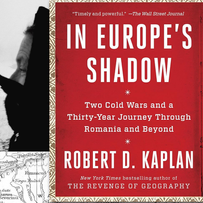
- In Europe’s Shadow – Robert Kaplan
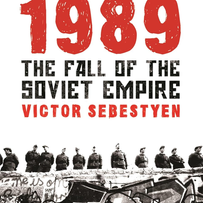
- Revolution 1989: The Fall of the Soviet Empire – Victor Sebestyen
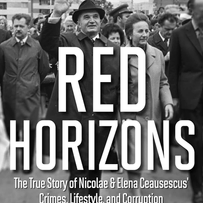
- Red Horizons – Ion Mihai Pacepa